
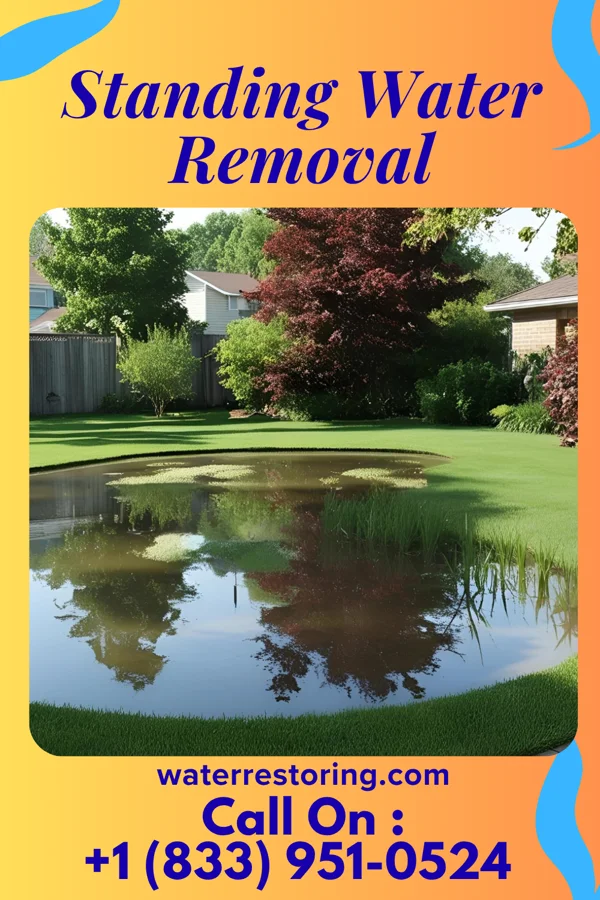
What Makes South Glastonbury Standing-Water-Prone
Living in South Glastonbury means dealing with In South Glastonbury, Montana, the primary water damage causes include burst pipes during harsh winter months and spring snowmelt runoff. Due to the rural nature of the area, leaks from aging infrastructure or poorly maintained wells are also common. sooner or later. A close second is Secondary causes often involve flooding from nearby rivers or streams, especially after heavy rainfall events. Additionally, malfunctioning sump pumps in basements can lead to water intrusion during periods of high groundwater levels.. The good news: water damage is fully recoverable when you catch it fast and bring in certified technicians.
South Glastonbury experiences a semi-arid climate with cold winters and warm summers, increasing the risk of frozen pipes and subsequent water damage. The region's proximity to the Yellowstone River also raises concerns about seasonal flooding.
Most standing water removal calls in South Glastonbury come from In South Glastonbury, Montana, the primary water damage causes include burst pipes during harsh winter months and spring snowmelt runoff. Due to the rural nature of the area, leaks from aging infrastructure or poorly maintained wells are also common.. Running a close second is Secondary causes often involve flooding from nearby rivers or streams, especially after heavy rainfall events. Additionally, malfunctioning sump pumps in basements can lead to water intrusion during periods of high groundwater levels.. Local mold risk: Mold growth can quickly become a serious issue in South Glastonbury due to the area's fluctuating temperatures and humidity levels. Prompt action is crucial to prevent long-term health and structural issues.